
The Universe of Gemstones
Amethyst

Among semi-precious gemstones, amethyst stands out for its deep violet color, evoking calm, spirituality, and introspection. This stone has been prized since ancient times, from Egyptian civilizations to European kingdoms, where it was considered a symbol of nobility, purity, and protection against intoxication. Its name comes from the Greek amethystos, meaning “not intoxicated.”
In jewelry, amethyst brings elegance and serenity. Its versatile hue makes it ideal for necklaces, rings, and earrings, as it pairs well with different metals and styles. Beyond its aesthetic appeal, amethyst has long been valued for its spiritual and healing properties, making it a gemstone that unites beauty, symbolism, and personal well-being.
Citrine

Among semi-precious gemstones, citrine stands out for its warm yellow color, which evokes energy, vitality, and optimism. This stone has been prized since ancient times for its beauty and supposed energetic properties, often considered a talisman of prosperity and abundance. Its sunny, radiant hue makes it a gemstone that illuminates any piece of jewelry with elegance and character.
In jewelry, citrine brings light and warmth. Its intense and versatile color suits both modern designs and classic pieces, from rings and earrings to necklaces and bracelets. Beyond its aesthetic value, citrine has historically been associated with life force, mental clarity, and the manifestation of intentions, making it a stone that combines beauty and meaning.
Peridot

Among semi-precious gemstones, peridot stands out for its vibrant and luminous green, evoking nature, renewal, and harmony. Known since antiquity, it was attributed protective and healing properties, highly prized by pharaohs and kings for its positive energy and unique beauty. Its clear, bright green makes it a refreshing and cheerful gemstone, perfect for jewelry that seeks to stand out with elegance and vitality.
In jewelry, peridot adds a touch of vitality and character. Its intense green hue illuminates necklaces, rings, and earrings, creating pieces full of freshness and sophistication. Beyond its aesthetic appeal, peridot has historically been valued for its symbolic virtues, associated with protection, prosperity, and emotional clarity.
Topaz
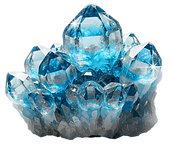
Among semi-precious gemstones, topaz stands out for its intense brilliance and wide range of colors, though it is especially renowned for its golden and sky-blue hues. This stone has been valued since ancient times for its beauty and durability, accompanying kings and collectors alike as a symbol of elegance, clarity, and inner strength.
In jewelry, topaz brings sophistication and radiance. Its crystalline clarity and ability to reflect light make it the centerpiece of rings, earrings, necklaces, and bracelets. Beyond its aesthetic appeal, topaz has historically been cherished for its symbolism: associated with mental clarity, creativity, and protection, it transforms any piece of jewelry into a meaningful amulet.
Tourmaline

Among semi-precious gemstones, tourmaline stands out for its endless color diversity and vibrant energy, making it a versatile and captivating stone. From pinks and reds to greens, blues, and multicolored varieties, tourmaline has been cherished for centuries both for its beauty and its symbolic properties, being considered a stone that balances, protects, and enhances the vitality of its wearer.
In jewelry, tourmaline adds personality and sophistication. Its wide color palette allows for the creation of unique pieces, from rings and earrings to necklaces and bracelets full of color and light. Among its most coveted varieties is the Paraíba tourmaline, discovered in Brazil in the 1980s. Its intense, electrifying neon blue is due to the presence of copper and manganese. This neon effect, unusual in other gemstones, makes the Paraíba one of the rarest and most sought-after stones in the world.
Paraíba is one of the most prized tourmalines, originating from Brazil, Mozambique, and Nigeria. Its electric neon blue, which shines even in low light, comes from copper and manganese in its structure. This neon effect is unique in gemology, making it extremely rare and valuable.
Spinel

In the world of gemstones, spinel is one of the most fascinating—and often underrated—stones. Known since antiquity, this gem has adorned royal crowns and historic jewelry, and for centuries it was mistaken for rubies due to its intense red hues. Its pure, brilliant, and versatile beauty makes it a stone that combines history, elegance, and rarity in every crystal.
In jewelry, spinel brings vibrant, luminous color, particularly in shades of red, pink, orange, and violet. Its clarity and vitreous brilliance allow any piece to transform into a radiant work of art. Moreover, its legacy as a gem of royalty and collectors adds an aura of prestige and authenticity, making it highly prized among gemologists and jewelers alike.
Rare Spinels and Special Effects
Beyond classic reds and pinks, spinel can appear in uncommon colors such as electric blue, violet, and intense orange. Some varieties display exceptional vitreous brilliance, comparable to ruby, and may reflect an internal glow reminiscent of metallic schiller, though in a subtler way.
Opal

Among semiprecious gemstones, opal is one of the most magical and enigmatic. Its most distinctive feature is the “play of color,” an optical phenomenon that makes the stone display flashes of every color of the rainbow depending on the light and viewing angle. This unique property has fascinated cultures around the world, from Australian Aboriginals, who see it as a symbol of creativity and dreams, to European royalty, who valued it as a talisman of good luck.
In jewelry, opal brings magic and visual movement. Its iridescent flashes create dynamic, lively pieces, from rings and earrings to necklaces that seem to capture light itself. There are various types, such as white, black, fire, and crystal opal, each with its own character. Some opals also display secondary effects like schiller (metallic sheen) or sheen (soft surface glow), enhancing their visual complexity and appeal.
Opal is famous for its play of color, an iridescent display of multicolored flashes depending on light and angle. Certain varieties also feature:
· Schiller: metallic or satin-like luster, visible in fire opals and some crystal opals.
· Sheen: a soft glow that seems to float over the surface, adding depth to the stone.
Iolite

Among semi-precious gemstones, iolite—also known as cordierite—stands out for its deep violet-blue hue and its unique optical phenomenon: pleochroism, which allows the stone to display different colors depending on the viewing angle. This almost magical effect has fascinated jewelers and collectors for centuries, making iolite a gemstone of remarkable character and elegance.
In jewelry, iolite adds a subtle and sophisticated play of color. Depending on how light strikes it, the stone can show shades ranging from deep blue to bluish-gray, and even violet. This quality allows for the creation of dynamic and unique pieces, especially in cuts that maximize its pleochroism. Its hardness and transparency make it ideal for rings, earrings, and necklaces, lending an unmatched touch of distinction.
Garnet

Among semi-precious gemstones, garnets stand out for their incredible color diversity, intense brilliance, and durability—qualities that have made them highly prized since ancient times. Although commonly associated with deep red, the garnet group includes shades ranging from emerald green to golden yellow, as well as brown, orange, pink, and violet, offering a wide array of possibilities for jewelry and gemstone collections.
In jewelry, garnets bring elegance, brilliance, and versatility. From rings and necklaces to earrings, their intense color and clarity make them ideal for pieces that seek visual impact and sophistication. Some varieties feature special optical effects, such as schiller or sheen in tsavorite, or metallic reflections in certain pyropes, enhancing their allure and uniqueness.
Some garnet varieties with special effects:
· Tsavorite: intense green with schiller reminiscent of sunlight reflecting on water.
· Hessonite and Spessartine: orange to golden hues, sometimes showing aventurescence, an internal shimmer caused by mineral inclusions.
· Pyrope: deep red, occasionally exhibiting a subtle metallic sheen under direct light.
Moonstone

Among semi-precious gemstones, moonstone is one of the most magical and evocative. Its name comes from the Latin adularia, referring to the Adula Mountains in Switzerland, and since ancient times it has been associated with the moon, femininity, and intuition. Its most distinctive feature is adularescence, an internal luminous effect that makes the stone emit a soft, floating glow, reminiscent of moonlight shimmering on water. This optical phenomenon is unique, turning each stone into a living, ever-changing jewel.
In jewelry, moonstone adds a touch of mystery and delicacy. Its bluish or milky reflections seem to move with the light, bringing each ring, earring, or pendant to life. While it is often found in white or cream tones, some varieties display orange, gray, or pink hues, and the combination of transparency and adularescence creates pieces that appear truly magical.
Tanzanite

Among semi-precious gemstones, tanzanite stands out as one of the most striking and modern, renowned for its intense blue-violet hue and its ability to transform any piece of jewelry into a sophisticated, contemporary creation. Discovered in 1967 on the slopes of Mount Kilimanjaro, Tanzania — hence its name — this gemstone has become an icon of elegance and rarity, found only in a very limited area of the world.
In jewelry, tanzanite brings depth and luxury. Its blue-violet tones, ranging from deep sapphire to soft lavender depending on light and cut, create pieces that exude elegance and dynamism. Tanzanite displays strong pleochroism, showing varying shades of blue, violet, and even burgundy depending on the viewing angle, making it a truly fascinating and unique gemstone.
Alexandrite
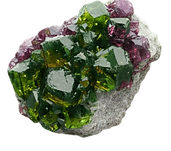
Among precious gemstones, alexandrite is one of the most mysterious and captivating, known as the “chameleon gem” for its dramatic color change: emerald green in natural light and purplish red under incandescent light. Discovered in the Ural Mountains of Russia in 1830, it was named in honor of Tsar Alexander II and has since symbolized wealth, power, and exclusivity. Its rarity and beauty make it a stone that combines historical sophistication with natural magic.
In jewelry, alexandrite adds exclusivity and dynamism. Each piece is unique, as the color shifts depending on the light and viewing angle. This effect makes it ideal for luxury rings, earrings, and necklaces, where its visual transformation both surprises and fascinates. High-quality alexandrites are extremely rare, especially in large sizes with crystal-clear purity, making them highly coveted by collectors.
Rubellite

Among semiprecious gemstones, rubellite is one of the most coveted tourmalines, renowned for its deep red to reddish-pink color, often mistaken for ruby. Its name derives from the Latin ruber, meaning “red,” and since ancient times it has been prized for its vibrant beauty and passionate energy, symbolizing love, vitality, and inner strength.
In jewelry, rubellite brings elegance and warmth, illuminating any design with its rich color. Its transparency and vitreous brilliance allow light to disperse intensely, creating pieces ranging from rings and earrings to luxury necklaces and bracelets. High-quality rubellites, especially those with saturated red tones and no visible inclusions, are considered among the most valuable semiprecious gemstones.
Tsavorite

Among garnets, tsavorite stands out as one of the most vibrant and rare stones. Discovered in the 1960s in Tanzania and Kenya, this intense green garnet is prized for its brilliant emerald hue, comparable to the world’s most valuable gemstones. Its name comes from the Tsavo region in Kenya, and ever since, it has been admired for its luminous beauty and sophisticated elegance.
In jewelry, tsavorite brings freshness and luxury. Its deep, saturated green allows each ring, earring, or necklace to become a striking piece. Some tsavorites display a subtle shiller effect—a shifting internal glow that enhances the stone’s visual depth and sophistication. Its durability and vitreous brilliance make it ideal for daily wear, provided it is protected from strong impacts.
Diamond

In the universe of gemstones, the diamond is far more than a precious stone: it is a universal symbol of perfection, eternity, and excellence. Its presence has shaped the history of jewelry and culture, coveted by civilizations from ancient times to the present day. Regarded as the most desirable gemstone, the diamond shines not only through its brilliance but also through the history and science contained within each crystal.
In jewelry, the diamond defines timeless elegance. Its unique ability to refract and reflect light transforms any piece into a luminous work of art. It is no coincidence that the diamond is the undisputed centerpiece of engagement rings, where its pure, colorless clarity symbolizes eternal love, fidelity, and commitment. Yet the diamond has never been solely ornamental: for centuries, its unparalleled hardness made it an essential tool in industries and the arts, from cutting other gemstones to medical applications.
Ruby
In the world of gemstones, the ruby holds a place of honor alongside the diamond. Its intense red, evoking passion, strength, and vitality, has captivated cultures across the globe for centuries. From royal crowns to protective talismans, the ruby has long been regarded as a symbol of power, courage, and ardent love.
In jewelry, the ruby adds a commanding and elegant presence. Its vibrant red illuminates any design, transforming rings, necklaces, and earrings into pieces of unique character. Beyond its beauty, the ruby carries a fascinating history: in ancient times, it was believed to protect its wearer from misfortune and to instill bravery and determination. This combination of beauty and meaning makes the ruby a gemstone that never goes unnoticed.
Sapphire

In the universe of gemstones, sapphire stands out for its serene elegance and timeless sophistication. Celebrated primarily for its deep blue hue, this stone has been treasured for millennia for its beauty, durability, and symbolism. Historically associated with royalty, wisdom, and nobility, sapphire is a gem of universal prestige.
In jewelry, sapphire brings refined elegance and distinction. Its intense color and luminous brilliance elevate any design, from classic solitaires to contemporary high jewelry creations. Beyond its aesthetic appeal, sapphire has long been prized as a protective talisman, symbolizing truth, fidelity, and mental clarity. Its presence in engagement rings and family heirlooms embodies both the exquisite beauty and profound significance of this extraordinary gemstone.
Padparadscha Sapphire

Among the most exclusive and captivating gemstones, the Padparadscha sapphire holds a unique place. Its delicate color, blending shades of pink and orange, evokes the tones of a tropical sunset, giving this stone a warm and poetic elegance. Considered an exceptional rarity within the corundum family, the Padparadscha has fascinated collectors and jewelers alike for its singular beauty and sophisticated character.
In jewelry, the Padparadscha sapphire adds a touch of distinction and originality. Its soft yet vibrant hue illuminates exclusive designs, from high-end rings to pendants that convey delicacy and personality. Throughout history, it has been valued not only for its extraordinary color but also for its symbolism, associated with creativity, joy, and emotional balance.
Emerald
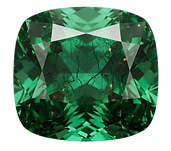
Among gemstones, emerald stands out for its intense, vibrant green—a color that has captivated cultures and monarchs for millennia. Its profound elegance and aura of mystery make it a symbol of renewal, growth, and harmony. Throughout history, it has been regarded as an emblem of power and wisdom, holding a privileged place in crowns, royal jewelry, and private collections.
In jewelry, emerald brings sophistication and vitality. Its rich green illuminates exclusive designs, from engagement rings to high-jewelry necklaces and pendants, offering an elegant and natural contrast. Beyond its appearance, emeralds have long been revered for their symbolism, believed to promote mental clarity, emotional balance, and a deep connection with nature.